
Common Eye Disease
Dry Eye & Blepharitis
Understanding why your eyes feel dry, sore or irritated
What are dry eye and blepharitis?
Dry eye occurs when the tears are unable to keep the surface of the eye adequately lubricated and comfortable. This may be because you don’t produce enough tears, but very often the problem is that the tears are poor quality or evaporate too quickly.
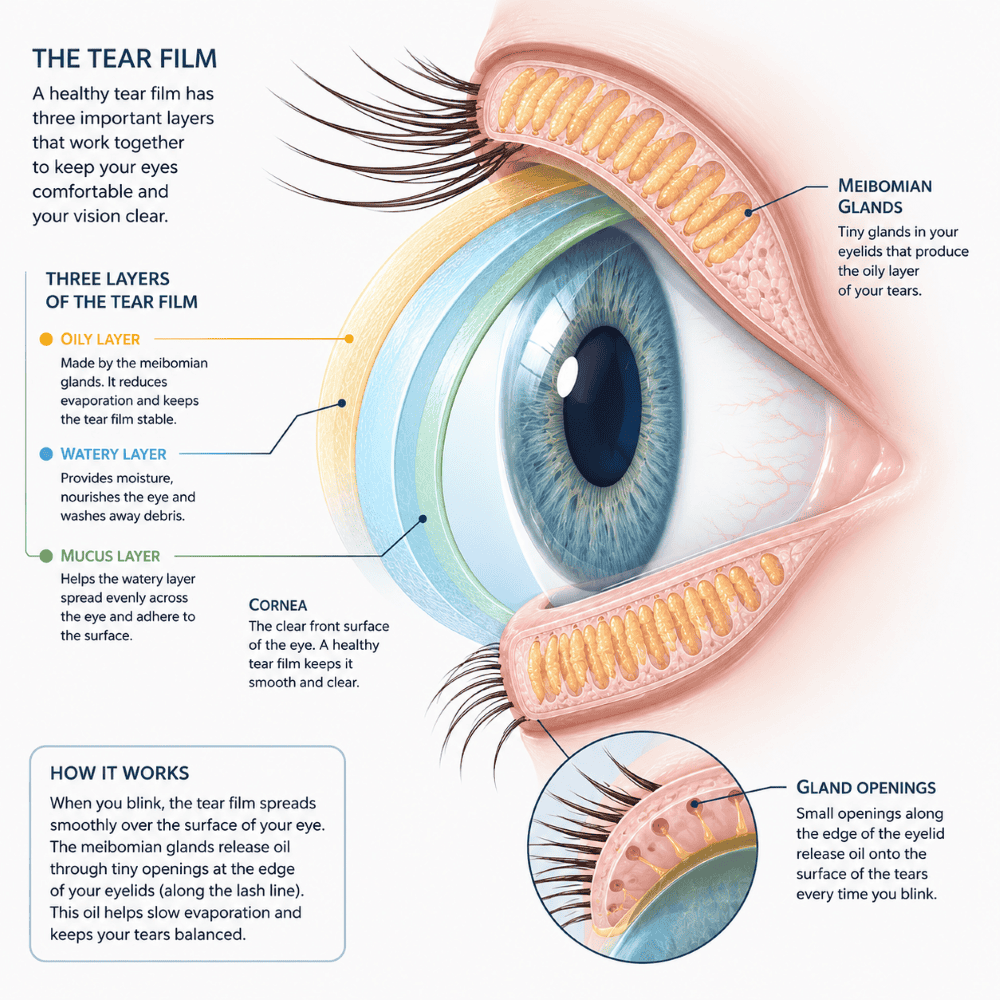
A healthy tear film is more complicated than simply being watery. It contains different components, including an important oily layer produced by tiny meibomian glands within the eyelids. This oil helps prevent the tears from evaporating between blinks.
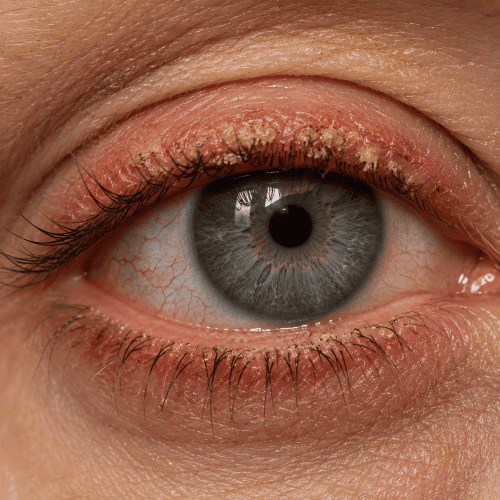
Blepharitis is inflammation of the eyelid margins, particularly around the eyelashes and the openings of these glands. The eyelids may become red or irritated, debris can collect around the lashes and the meibomian glands may become blocked or produce oils that are thicker and less effective.
This is why dry eye and blepharitis so often occur together. Problems with the eyelids and their oil glands can destabilise the tear film, causing the tears to evaporate more quickly and leaving the surface of the eye exposed and irritated.
It also explains something that can seem rather strange: dry eyes can actually be very watery. When the surface of the eye becomes irritated, it can trigger a rush of watery tears, but these may simply overflow rather than forming the stable, protective tear film your eyes need.
What might you notice?
Dry eye and blepharitis can cause a surprisingly wide range of symptoms. They may be present all the time or come and go depending on what you are doing, the environment you are in and even the time of day.
Some people describe their eyes as dry, while others experience burning, grittiness or irritation. Your vision can also fluctuate because the tear film forms the first optical surface that light passes through on its way into the eye. If that surface becomes unstable, your vision may briefly blur and then clear again after blinking.
Symptoms can vary considerably from person to person, which is why understanding what is causing them is often more useful than simply reaching for another bottle of lubricating eye drops.
Some things you might notice include:
What is happening to the surface of my eye?
Every time you blink, a thin layer of tears is spread across the front of your eye. This tear film keeps the surface smooth and comfortable, protects it and also helps provide the clear optical surface needed for good vision.
Your tears aren’t simply water. An important oily layer is produced by tiny meibomian glands within your eyelids. This oil slows evaporation and helps the tear film remain stable between blinks.
If these glands become blocked or the oil they produce changes in quality, the tears can evaporate too quickly. The surface of the eye may then develop tiny areas of dryness between blinks, causing irritation, burning, grittiness and fluctuating vision.
With blepharitis, inflammation around the eyelid margins can add to the problem. The lids may become red or irritated, debris can collect around the eyelashes and the openings of the meibomian glands may become blocked.
This can create a cycle where eyelid inflammation affects the tear film, and an unstable tear film further irritates the surface of the eye. Understanding which parts of this cycle are affecting you helps us decide how best to manage your symptoms.


Why do my eyes water if they are dry?
When the tear film becomes unstable and areas of the eye’s surface begin to dry, this can trigger irritation. Your eyes respond by producing a sudden rush of watery reflex tears, rather like the tears you produce when something gets into your eye.
The problem is that these emergency tears don’t necessarily have the right balance of oil, water and other components needed to form a stable tear film. They may run down your cheeks, yet the surface of your eye can still feel dry, gritty or uncomfortable.
This is why simply having plenty of tears doesn’t necessarily mean that the eye is properly lubricated. The quality and stability of those tears can be just as important as the quantity.
A closer look at your eyelids and tears
To understand what is causing your symptoms, we need to look carefully at the surface of your eyes, your tear film and the edges of your eyelids.
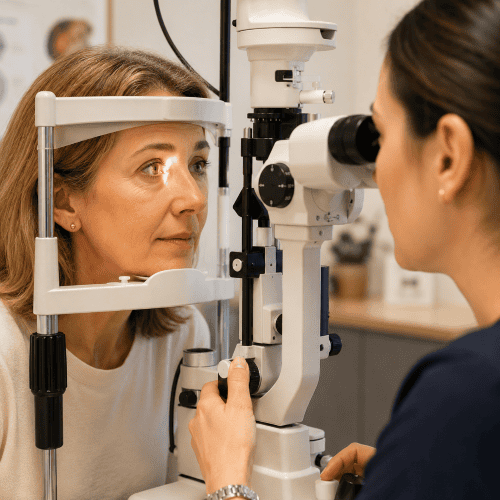
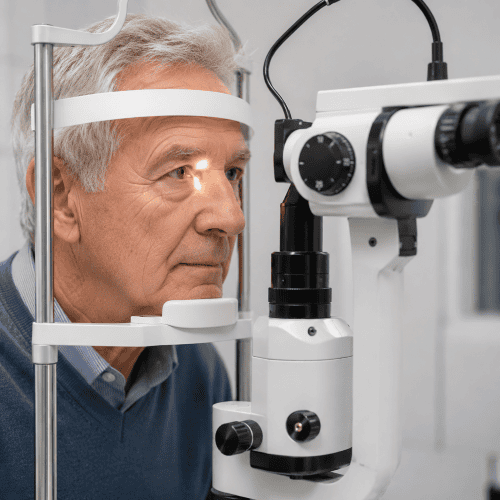
Using the slit lamp microscope, we can examine the eyelashes and eyelid margins for signs of inflammation or debris and look closely at the openings of the meibomian glands. We can also assess the quality of the oils they produce and look for signs that the glands may be becoming blocked.
A small amount of fluorescein dye can be added to your tears. This harmless dye allows us to see how evenly the tear film spreads across the eye, how quickly it begins to break up between blinks and whether there are areas of the eye’s surface that have become dry or irritated.
We also consider how you blink, because incomplete or less frequent blinking, particularly during prolonged screen use, can contribute to increased evaporation and poor tear-film stability.
By putting these findings together with the symptoms you describe, we can begin to understand what type of dry eye you have and what may be contributing to it, rather than treating every dry eye in exactly the same way.
What can cause or make dry eye worse?
Dry eye is rarely caused by just one thing. Often, several factors combine to disturb the tear film, which is why symptoms can change from day to day or become more noticeable at particular times.
Age and hormonal changes can affect the quantity and quality of our tears, while problems with the meibomian glands can reduce the protective oily layer of the tear film, allowing tears to evaporate too quickly.
Inflammation around the eyelid margins can further disrupt the tear film, and in some people Demodex, microscopic mites that naturally live around the hair follicles and oil glands, can contribute to blepharitis and characteristic debris around the eyelashes.
Everyday factors can also make symptoms worse: prolonged screen use reduces how often and how completely we blink, while central heating, air conditioning, wind and dry environments can increase evaporation.
Contact lens wear, certain medications and some general health conditions may also play a part. Often several of these factors occur together, which is why identifying what is contributing to your particular symptoms is so important.
Age and hormonal changes

Hormonal Changes
Screen use

Screens
Your environment

Environment

How are dry eye and blepharitis treated?
Treatment depends on what is contributing to your symptoms. There isn’t one eye drop or treatment that is right for everyone, and often the best results come from combining several simple measures.
Warm compresses and eyelid care
Where the meibomian glands are blocked or their oils have become thickened, regular warmth can help soften the oils and encourage the glands to work more effectively. Gentle eyelid cleansing can also help remove debris and manage inflammation around the eyelashes.
Lubricating eye drops
Artificial tears can supplement your natural tear film and improve comfort. There are many different formulations available, including drops designed specifically for evaporative dry eye, so choosing a product suited to the type of dry eye you have can make a difference. Preservative-free drops may be preferable when lubrication is needed frequently.
Improving your blinking
Taking regular breaks from screens and making a conscious effort to blink fully can help spread the tears evenly and encourage the meibomian glands to release their oils.
Managing your environment
Avoiding air blowing directly towards your eyes, taking breaks from prolonged screen use and making small changes to heating or air conditioning can help reduce tear evaporation.
Contact lenses
If you wear contact lenses, we can consider whether the lens material, design, fit or wearing pattern may be contributing to your symptoms. Sometimes relatively small changes can make lenses considerably more comfortable.
For more persistent dry eye or blepharitis, additional treatments may sometimes be appropriate. If we feel your symptoms or clinical findings require further investigation or specialist care, we will discuss this with you.
The aim isn’t simply to keep adding more eye drops. It is to improve the quality and stability of your tear film, reduce inflammation where possible and find a manageable routine that keeps your eyes more comfortable.


Dry eye is often a long-term condition
When should I seek urgent advice?

Understanding your eyes matters
If you are concerned about dry eye or blepharitis, or simply want to understand more about the health of your eyes, we are here to help.
Our enhanced eye examinations give us additional time to discuss your individual risk factors and examine your eye health carefully. Advanced imaging such as OCT and Optomap can provide further information where appropriate, while allowing us to build a detailed record of your eyes that can be compared over time.
Most importantly, we will explain what we find, what it means for you and whether anything further needs to happen.
Further trusted information
For more information about dry eye and blepharitis, including symptoms, causes and treatment, you can find further guidance from the following trusted eye-health organisations. NHS blepharitis NHS dry eye
Clinically reviewed by Helen Corson, Optometrist
Last reviewed: August 2026